
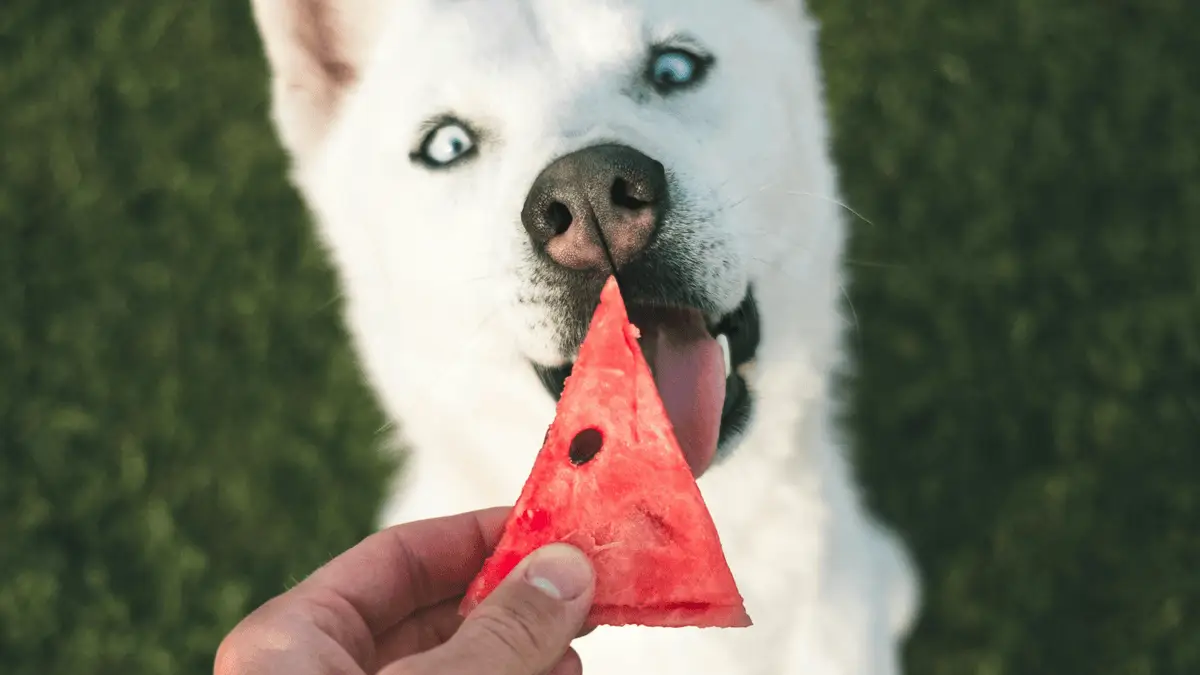
As temperatures rise during the summer months, it’s crucial for dog owners to prioritize their pet’s comfort and safety. Dogs don’t sweat like humans do; they primarily cool down through panting and releasing heat via their paw pads. This makes them particularly vulnerable to overheating, which can lead to serious health issues like heatstroke. In fact, extreme heat can be fatal if not addressed promptly. By following some practical tips, you can help your furry friend stay cool, happy, and healthy even on the hottest days.
Understanding the Risks: Signs of Overheating in Dogs
Before diving into prevention strategies, it’s essential to recognize when your dog might be struggling with the heat. Common signs include heavy panting, excessive drooling, lethargy, rapid heartbeat, vomiting, disorientation, and a rectal temperature above 103°F. Other indicators are weakness, thick saliva, dark red gums, or collapse. Breeds with flat faces, such as pugs or bulldogs, are at higher risk due to breathing difficulties. If you notice any of these symptoms, move your dog to a cooler area immediately, offer water, and contact a veterinarian. Never ignore these warning signs—quick action can save lives.
Tip 1: Prioritize Hydration
Water is your dog’s best friend in hot weather. Always ensure they have access to fresh, cool water throughout the day. Change it frequently to keep it appealing, and consider adding ice cubes to maintain a lower temperature. For extra hydration support, especially if your dog shows signs of dehydration, an unflavored pediatric electrolyte solution can help replenish lost fluids. Place multiple water bowls around your home and yard, and bring a portable one on outings. Dehydration can set in quickly, so monitor intake closely.
Tip 2: Schedule Walks and Playtime Wisely
Avoid exercising your dog during the peak heat of the day, typically between 10 a.m. and 4 p.m. Instead, opt for early morning or late evening walks when temperatures are lower. Test pavement with the back of your hand—if it’s too hot to hold for five seconds, it’s too hot for your dog’s paws, which can lead to burns. Shorten walks if needed, and let your dog acclimate gradually to warmer weather by starting with brief outings. Indoors, engage them with puzzle toys or gentle play to burn energy without overheating.
Tip 3: Create Cool Zones at Home
Transform your living space into a canine oasis. Keep your dog indoors with air conditioning or fans running, and close curtains to block sunlight. Provide shaded areas outdoors, like under trees or a canopy. Elevated mesh beds allow air circulation underneath, and placing a pan of ice below can create a cooling breeze. Damp towels or cooling mats (filled with gel that activates on contact) offer a comfy spot to lie down. For quick relief, gently spray unexposed areas like the groin or paws with cool water, or dab rubbing alcohol on the ears and stomach for evaporative cooling.
Tip 4: Use Cooling Products and Treats
Invest in dog-friendly gear to beat the heat. Cooling vests or collars absorb water and provide hours of chill. Frozen treats, such as Kong toys stuffed with peanut butter and frozen, or simple ice cubes with fruit, keep them entertained and refreshed. Paddling pools filled with shallow water allow for supervised splashing, but ensure your dog enjoys it—never force them. Recent pet owners on X have shared successes with frozen dog treats and pet-safe sunscreen for midday protection.
Tip 5: Grooming and Sun Protection
Regular brushing removes excess fur, helping air reach the skin, but avoid shaving double-coated breeds as their fur insulates against heat. For dogs with light-colored fur or exposed skin, apply pet-safe sunscreen to areas like the nose and ears to prevent sunburn. Check for pests like flies, especially in warmer months, as they can cause painful flystrike.
Tip 6: Never Leave Them in Vehicles
This can’t be stressed enough: Even on mildly warm days, car interiors can reach lethal temperatures quickly—up to 117°F when it’s just 76°F outside. Never leave your dog in a parked car, caravan, or conservatory, even with windows cracked.
Additional Considerations for Specific Dogs
Puppies, seniors, overweight dogs, and certain breeds require extra caution. For beach trips, go during off-peak hours and watch for saltwater ingestion. If you’re without AC during a power outage, relocate to a cooler spot or use battery-operated fans.
By implementing these tips, you’ll help your dog navigate hot weather safely. Stay vigilant, consult your vet for personalized advice, and enjoy the season together. Your proactive care will keep tails wagging all summer long!